Piece details
Nativité de la Mère de Dieu, icône russe sous revêtement d'argent
Un revêtement d'argent gravé de rinceaux, bordé de perles, encadre une scène peinte où la couleur a gardé sa force : rouges sourds, ocres, verts olive, ors éteints sous un réseau de craquelures. Au centre, la mère de la Vierge repose sur son lit, entourée de servantes ; au-dessous, on baigne l'enfant, et sur les côtés un couple s'étreint tandis que des saints auréolés se tiennent devant des architectures à coupoles. Au sommet apparaît le visage du Christ ; sur les marges, de petites figures de saints sont rapportées en relief.
La Nativité de la Mère de Dieu ouvre le cycle des douze grandes fêtes orthodoxes ; on la célèbre le 8 septembre, le 21 selon le calendrier julien, et son iconographie puise dans le Protévangile de Jacques. Le revêtement d'argent, ou oklad, se rencontre sur des icônes russes des XVIIIe et XIXe siècles. Le titre annoncé, 875 millièmes, correspond aux 84 zolotniks, l'un des quatre titres fixés par l'oukase de Pierre le Grand en 1700 et en usage jusqu'en 1917. L'icône est attribuée à Vasily Ivanov et datée vers 1770 ; ce nom n'a pu être rattaché à un orfèvre identifié.
- Époque
- XVIIIe siècle, vers 1770
- Matière
- Argent massif, 875 millièmes ; les photographies montrent un revêtement sur panneau peint
- Sujet
- Nativité de la très sainte Mère de Dieu
- Attribution
- Vasily Ivanov, non identifié
- Dimensions
- l. 27 × H. 33 cm
- État
- En l'état
Read in English
A silver cover engraved with scrolling foliage and edged with beading frames a painted scene whose colour has kept its strength: muted reds, ochres, olive greens and dulled golds beneath a web of craquelure. At the centre the Virgin's mother lies on her bed among attendants; below, the child is being bathed, and at the sides a couple embraces while haloed saints stand before domed architecture. At the top appears the face of Christ; small figures of saints in relief are applied to the margins.
The Nativity of the Mother of God opens the cycle of the twelve great Orthodox feasts; it is celebrated on 8 September, or the 21st in the Julian calendar, and its iconography draws on the Protoevangelium of James. A silver cover, or oklad, is found on Russian icons of the eighteenth and nineteenth centuries. The stated standard of 875 parts per thousand corresponds to 84 zolotniks, one of the four standards set by Peter the Great's decree of 1700 and in use until 1917. The icon is attributed to Vasily Ivanov and dated around 1770; the name could not be tied to an identified silversmith.
Sources
- La Nativité de la Théotokos, première des douze grandes fêtes, se célèbre le 8 septembre (21 selon le calendrier julien) ; son iconographie s'inspire du Protévangile de Jacques ; un voile rouge signale une scène d'intérieur. https://orthochristian.com/73759.html
- Le titre de 84 zolotniks équivaut à 875 millièmes ; il est en usage du XVIIIe siècle à 1917 ; l'ukase de Pierre le Grand de 1700 fixe quatre titres d'argent (96, 90, 84 et 62 zolotniks). https://skyjems.ca/pages/encyclopedia-84-zolotnik
Russian icon, silver 875°°° by Vasily Ivanov, "Nativity of the most holy Mother of God" circa 1770
Condition & restoration
- Stated condition
- As is
Creator & attribution
- Attribution
- Designation and attribution published by Galerie des Minimes; independent validation not performed.
- Reference
- patricia-1819085
Dimensions & materials
- Height
- 33 cm
- Width
- 27 cm
- Materials
- Solid silver
- Stated period
- 18th century
Lefèvre Gabaïeff
An identified dealer on Collector’s Reserve. Questions, negotiation and purchase all go through the platform, so the context of the piece is never lost.
Visit the dealer’s pageProtection suited to the piece
Specialized packaging, handling, and delivery, tailored to each piece.
You choose at the time of purchase: you arrange the transport yourself, or you request a delivery quote. Everything is displayed before payment.
Understanding specialized transportIn the same spirit
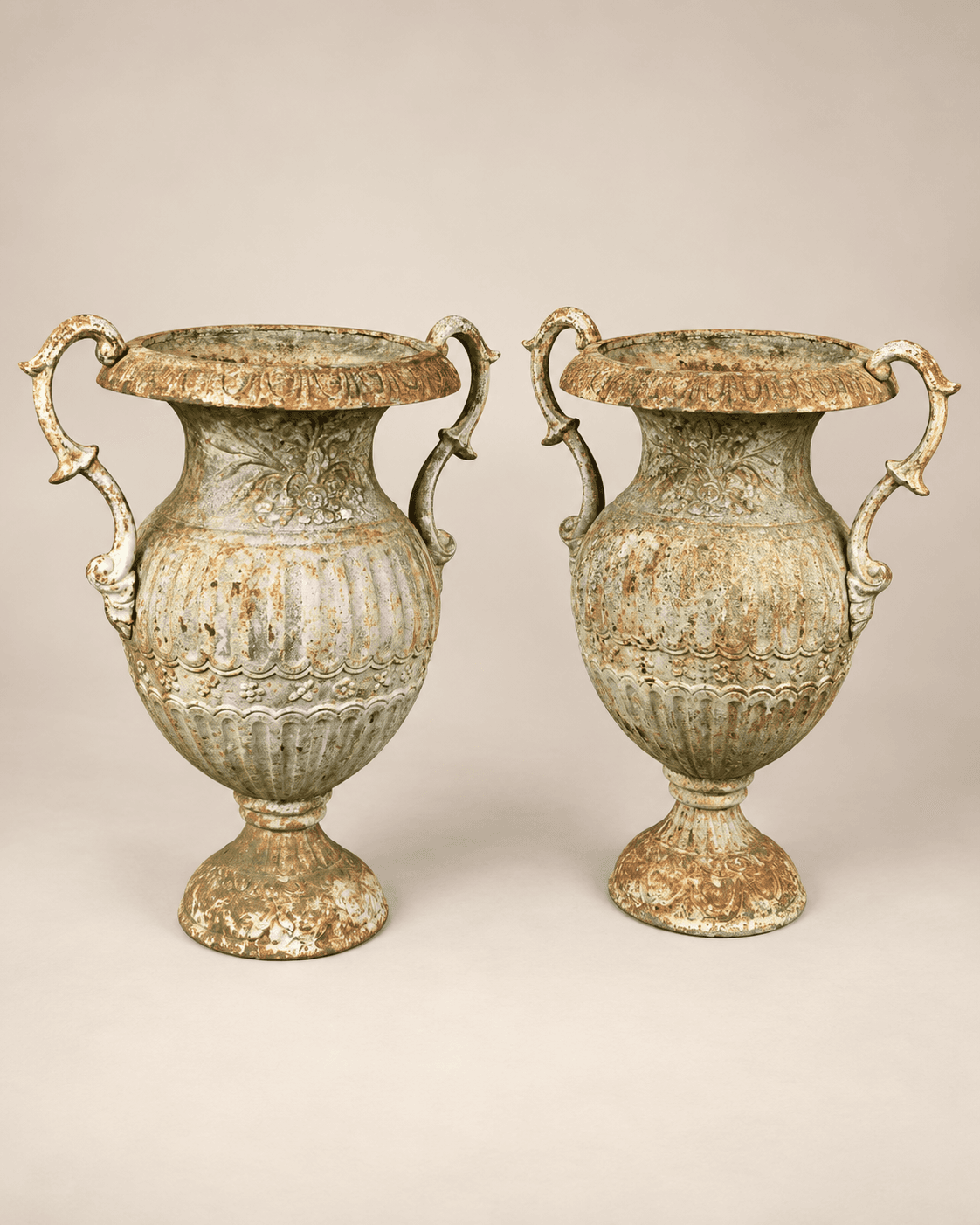
Pair of Medici urns in cast iron, 19th century
3 500 €
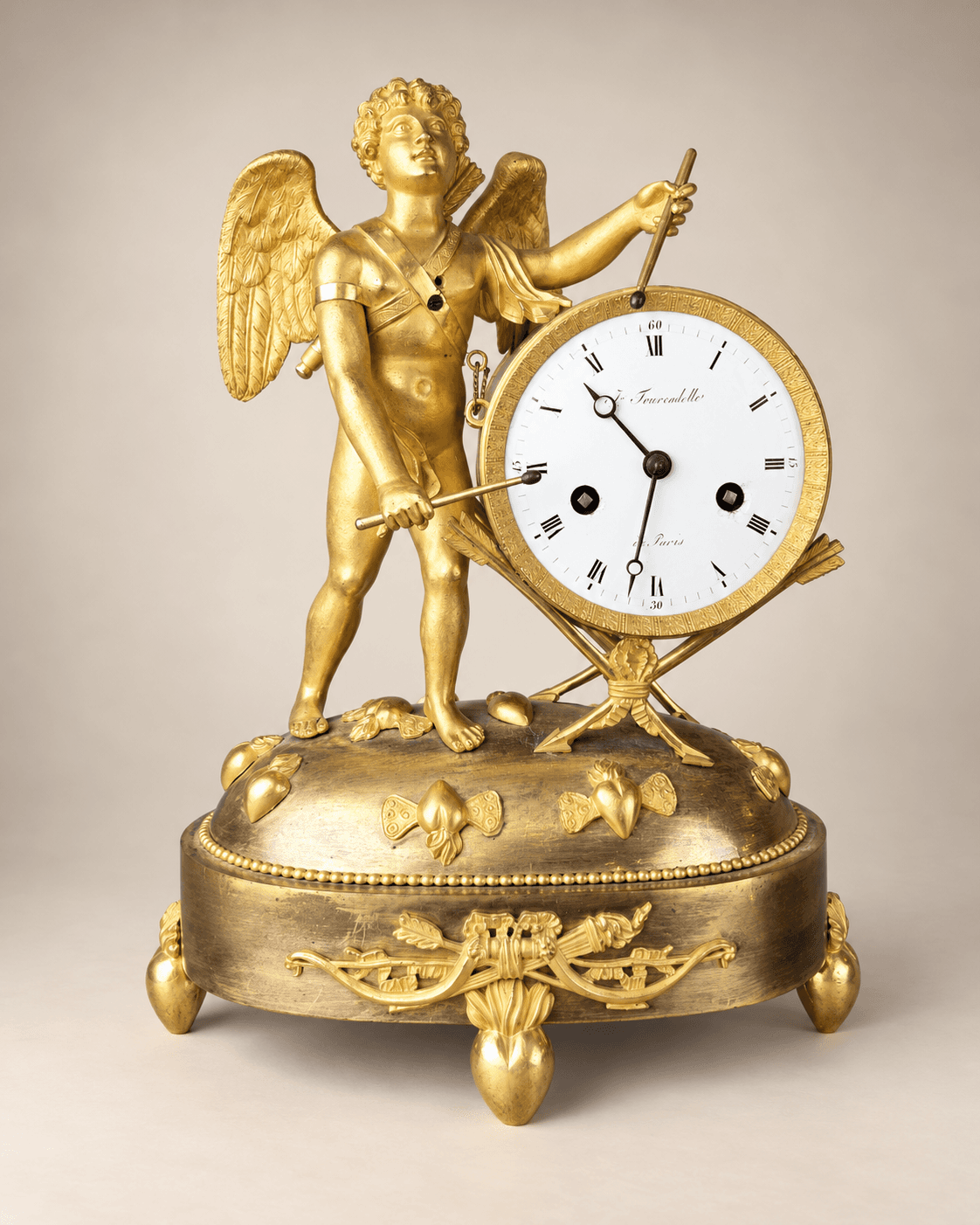
Empire gilt bronze mantel clock, 19th century
2 400 €
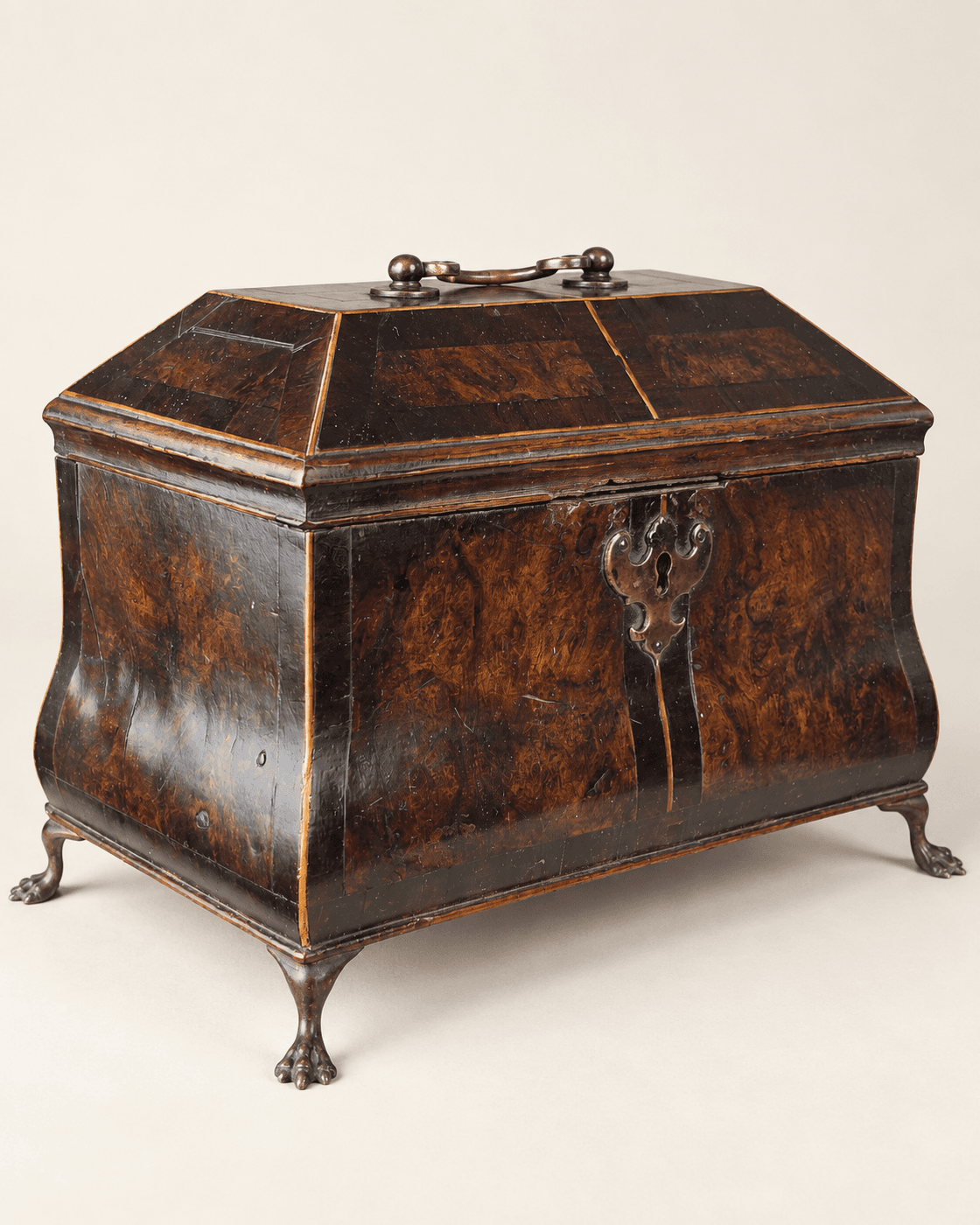
Tea caddy, Holland 18th century
900 €
Same period
Mortar in Saint-Rémy marble
1 300 €
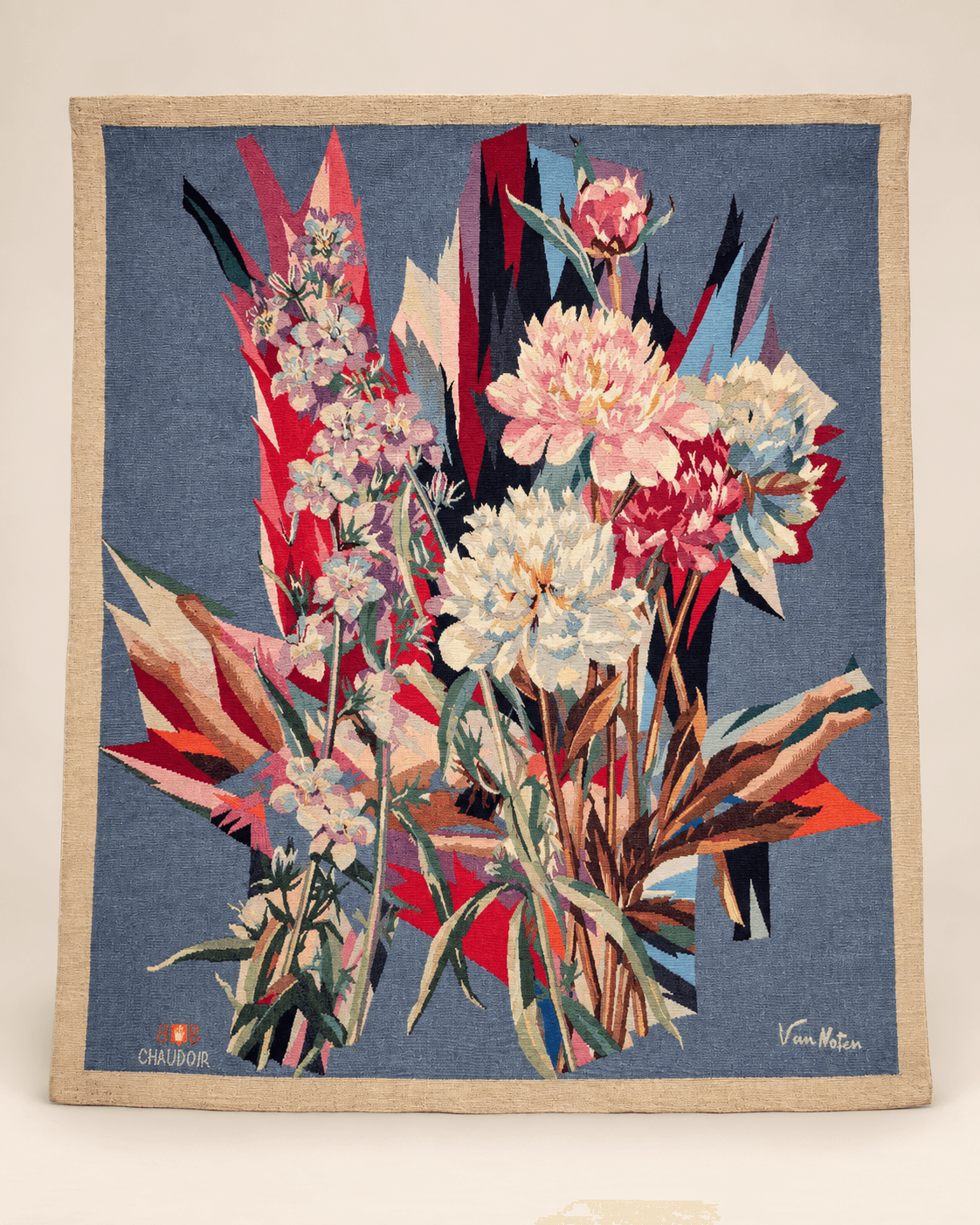
Jean Van Noten (1903- 1982) Wool tapestry
2 500 €
Pair of bridle holders and equestrian harness supports, 19th century
850 €
2 750 €
Buy this piece